
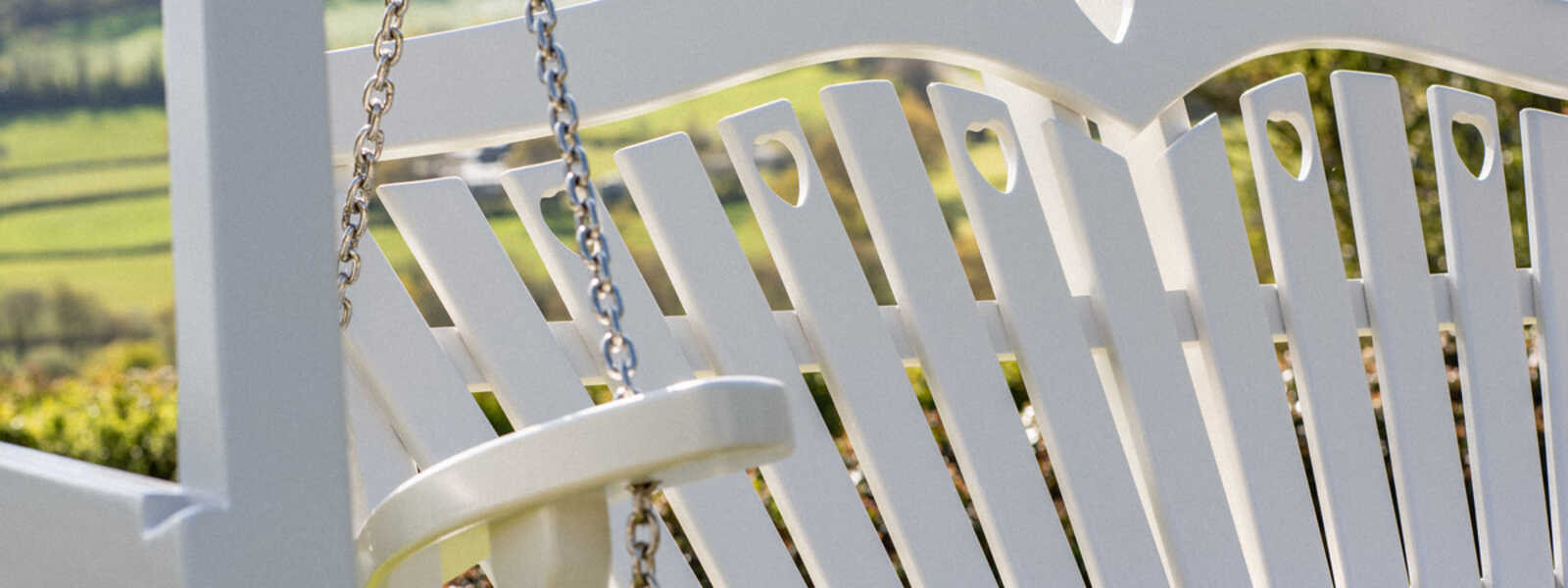
Should I Choose Wood or Metal for My Garden Swing Seat?
When choosing a garden swing seat, the material matters as much as the design. Both wood and metal have their place outdoors, but they create very different impressions in the garden and ask different things of the owner over time.
If you are looking for a practical, lower-cost option, a metal swing seat may appeal. If you want something that feels more comfortable, sits more naturally within the landscape and offers lasting character, a wooden garden swing seat is often the more rewarding choice.
At Sitting Spiritually, we are naturally drawn to timber for its warmth, craftsmanship and sense of permanence. Yet the best choice depends on your garden, your style and how you want your swing seat to live outdoors in the years ahead.
But which is better, a metal swing seat or a wooden swing seat?
Let’s take a deep dive into the benefits and drawbacks of each material, and find out which is the right one for you.
Wood vs metal garden swing seats at a glance
A metal garden swing seat can suit a contemporary space, and it is often chosen for its lighter feel and lower upfront cost. A wooden garden swing seat, by contrast, tends to feel more substantial, more comfortable and more in keeping with a planted garden.
In simple terms:
Choose metal if you want:
-
a lighter, more utilitarian option
-
a simpler contemporary look
-
a lower initial outlay
Choose wood if you want:
-
a more natural look in the garden
-
greater comfort and warmth
-
a timeless design that ages beautifully
-
a piece that feels crafted rather than simply manufactured
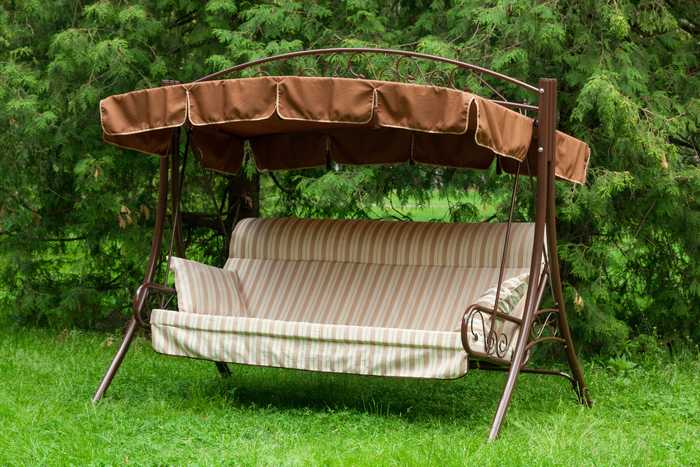
When a Metal Swing Seat Makes Sense
There are situations where a metal garden swing seat can be a sensible choice.
For some gardens, metal offers a cleaner, more minimal aesthetic. It can also be easier to move, particularly if the frame is lightweight, and it may suit buyers who want a casual seat for occasional use rather than a lasting focal point. In many cases, metal swing seats also come at a lower starting price.
That said, metal can feel visually harder in the garden, especially in softer, more natural settings. It may also become hot in strong sun and colder to the touch in cooler weather. Over time, the finish matters enormously. Lower-quality coatings can deteriorate, and once the protective layer is compromised, a metal seat can begin to look tired rather quickly.
Metal has its place, particularly in more urban or contemporary spaces, but it rarely offers the same warmth or sense of belonging as timber.
The pros of metal
A metal garden swing seat is a contemporary option that can fit a number of different garden layouts and aesthetics. For patios, decking or lawns, this affordable furniture is a safe choice for those looking to add dimension and style to their outdoor space.
Aluminium, a common material used in metal garden furniture, is fairly robust and durable to the elements. Its rust-proof qualities will keep it in good condition in the face of the ever-unpredictable British weather. Aluminium is also lightweight, so changing your garden furniture set up is a straightforward task.
The cons of metal
The downfall of metal outdoor furniture, particularly those pieces made of steel or iron, is that they are highly susceptible to corrosion and decay. Even when employing preventative measures and treatments, the oxidation process will eventually start to weaken the metal. Rust will cause structural issues while discolouration means the overall aesthetic quality of the furniture will suffer. What was once a shiny, pristine metal swing seat, will, over time, show signs of aging and deterioration.
Although aesthetics can be subjective, there’s something to be said about the presence of a metal structure in an organic environment like a garden. While it’s easy to visually accommodate a natural material such as wood into your outdoor space, metal has a tendency to look at odds with its surroundings. Wood, after all, derives from nature and will seamlessly find harmony in your garden.
Another practical disadvantage of metal furniture is its capacity to absorb the sun’s blistering rays. Given that the best time to enjoy your outdoor swing seat is during those long summer days, having furniture that is too hot to sit on is hardly ideal.
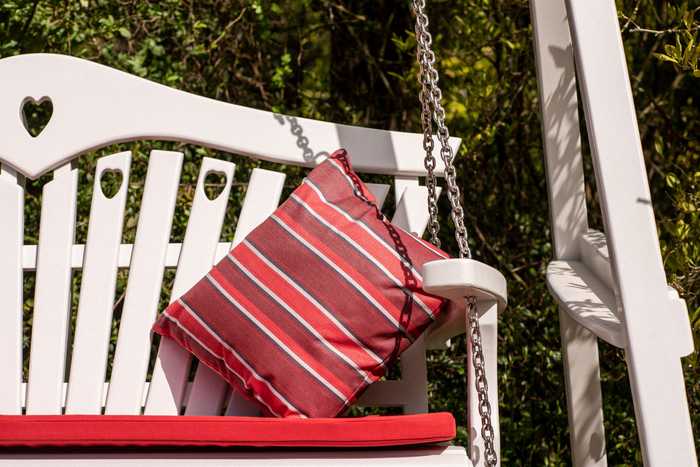
Why many people prefer a wooden garden swing seat
A wooden garden swing seat tends to feel more at home outdoors. It sits naturally among planting, lawn, borders and trees, and it brings a quieter, more enduring character to the space.
For many people, that is the real appeal. Wood does not fight against the garden; it becomes part of it.
There is also the matter of comfort. Timber feels warmer and more tactile than metal, particularly across the seasons. It is less harsh to sit against, more inviting for longer afternoons outdoors, and better suited to the kind of unhurried use a swing seat is made for.
Then there is the question of character. A well-made wooden swing seat does not simply survive outdoors; it matures there. Quality timber softens in colour, weathers with grace and develops a lived-in beauty that many owners come to value as much as the day it arrived.
For gardens where atmosphere matters as much as function, wood is often the more considered choice.
The pros of wooden furniture
One word: aesthetics. You simply cannot come close to matching the visual splendour of a handmade wooden swing seat. Whether it’s oak, painted accoya or cedar, garden furniture made from the finest timber will always trump the competition when it comes to making an impact in your garden. Particularly when in the hands of a Sitting Spiritually master craftsman, a wooden swing seat can be an exquisite feature for your outdoor space.
Structurally, a high-quality timber swing seat is immensely durable. The naturally sturdy properties of materials like oak makes for the perfect outdoor furniture piece. With beautiful grains and no defects, and protected against the elements, this is a material that will stand the test of time.
If mother nature does start to make an impact on your wooden swing seat, and it’s not looking quite as immaculate as the day it arrived, there are some wonderful refurbishment services available, or, alternatively, swing seat covers to keep the elements at bay!
A swing seat is all about comfort. And there are a few more relaxing experiences than sitting on a beautifully smooth wooden seat. Throw in a cushion or two, grab a good book, and you can while away the hours in perfect bliss. Comfort-wise, with its luxurious natural finish and ergonomic design, a timber swing seat once again outshines its rivals.
Another super benefit of choosing wood for your swing seat is the versatility it offers in creating a wholly unique furniture piece. We believe that choice should always be a vital part of finding the right swing seat, and there are numerous ways to add personal touches and accessories to build the perfect outdoor seat. From bespoke carvings and inscriptions, to alternative arms and drinks shelves; there are plenty of ways to make your wooden swing seat truly…yours.
The cons of wooden furniture
Because of the naturally hard-wearing, durable properties of timber, a wooden swing seat is likely to be heavier than one with a light aluminium frame. Something to consider when rearranging your garden furniture. Of course, this process can be made much simpler when your swing seat can be unhooked from the frame and moved with relative ease!
As you might expect with a handcrafted garden feature that uses high-grade materials, the initial cost is going to be higher compared to a metal swing seat. With this kind of investment, however, the price is truly reflected in the quality of the craftsmanship and the materials used. But with such an exquisite piece, that’s built to last: you’re buying once, buying well.

Which material is better for UK weather?
Both wood and metal can perform well outdoors, but they behave differently in British conditions.
A good-quality metal swing seat can be weather-resistant, especially where modern finishes are used well. But not all metal furniture is equal. If coatings are thin, chipped or poorly maintained, the surface can become vulnerable over time. In coastal or exposed settings, this can be even more noticeable.
Wood responds differently. High-quality timber is made for outdoor living, but it does ask for a little understanding. Rather than staying visually unchanged, it gradually mellows and takes on a softer, more natural patina. That weathering is part of its appeal, not a flaw.
For many people, the question is not which material changes least, but which one changes best.
A beautifully made wooden swing seat can remain outside year-round and continue to look elegant for many years, provided it is cared for sensibly. Regular cleaning and occasional aftercare help preserve both appearance and performance, and refurbishment is often possible later in the life of the piece.
Which offers better long-term value?
Metal often looks more economical at first glance, but initial cost is only one part of value.
A well-made wooden garden swing seat usually costs more because the material, craftsmanship and finish are of a different order. Yet that higher starting point can make better sense over time. A timber seat made with care can remain beautiful and useful for many years, and in many cases it can be maintained, restored or refurbished rather than simply replaced.
That changes the equation.
Long-term value is not just about what a swing seat costs to buy. It is about how long it feels right in the garden, how well it wears, and whether it still gives pleasure after years outdoors. This is where wood often justifies its place, particularly in gardens where quality, proportion and atmosphere matter.
Which suits a luxury garden best?
If your garden is designed as a place of calm, beauty and retreat, wood is usually the more fitting choice.
A luxury garden is not simply about expense. It is about materials that feel considered, designs that sit quietly within their surroundings, and pieces that contribute to the mood of the space rather than shouting for attention. Wood does this naturally.
A handcrafted wooden swing seat brings warmth, presence and refinement. It feels established rather than temporary, and it complements both traditional and contemporary gardens in a softer, more enduring way than most metal alternatives.
For that reason, those creating a more timeless outdoor setting often find themselves drawn back to timber.
Our View
There is no universal answer for every garden. A metal swing seat may suit those who want a lighter, simpler or more budget-conscious option.
But for most gardens where comfort, beauty and longevity matter, we believe wood is the better choice.
A wooden garden swing seat feels more natural in the landscape, more comfortable to live with, and more rewarding over time. It offers not only function, but atmosphere — and that is often what people are really looking for when they choose a swing seat for the garden.
If you are searching for a piece that feels calm, crafted and lasting, timber is hard to better.
 Updating page...