
What is the difference between teak and oak
Teak and oak are both premium hardwoods, but they're suited to different jobs. Teak is unmatched for outdoor use because of its natural oils – the wood resists rot, mildew, and weather without any treatment at all. Oak, on the other hand, is a durable and versatile timber that performs beautifully outdoors when it's properly engineered, particularly prime European oak paired with marine-grade fixings.
So which is "better"? That depends entirely on what you're after.
|
Feature |
Teak |
Oak |
|---|---|---|
|
Best use |
Outdoor furniture, boat decks, and marine applications |
Garden furniture, pergolas, structural pieces |
|
Water resistance |
Superior natural oil content |
Strong with proper construction and fixings |
|
Cost |
Premium pricing |
More accessible |
|
Appearance |
Honey-coloured, weathers to silver-grey |
Distinctive open grain with visible rays |
|
Maintenance |
Minimal |
Seasonal care recommended |
If budget is tight and you want something that weathers gracefully in a British garden, oak is a serious contender. If you'd rather not think about maintenance at all, teak has the edge.
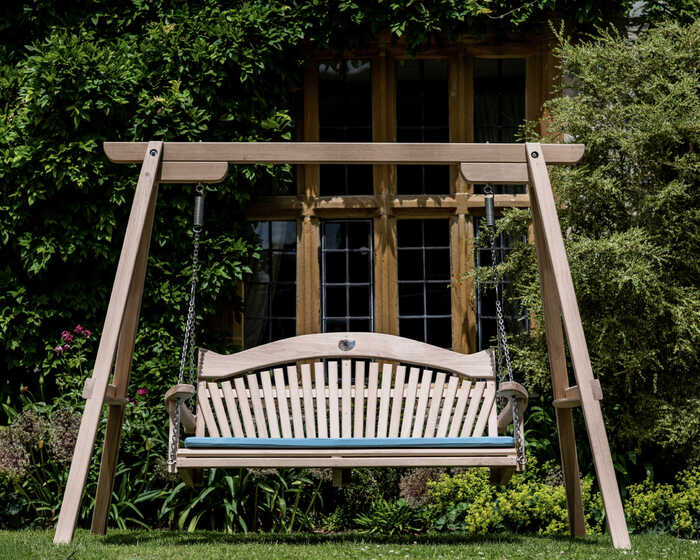
What is teak wood
Teak is a tropical hardwood that grows in South and Southeast Asia. Shipbuilders have prized it for centuries, and for good reason – the wood contains unusually high levels of natural oil that repel water and resist insects.
You'll find teak on yacht decks, in high-end outdoor furniture, and anywhere timber faces constant exposure to rain and sun. Left untreated, teak gradually shifts from warm honey tones to a distinctive silver-grey patina. Some people love that weathered look; others prefer to oil the wood periodically to keep the original colour.
Either way, teak handles neglect remarkably well. It's one of the few timbers you can genuinely leave outside and forget about.
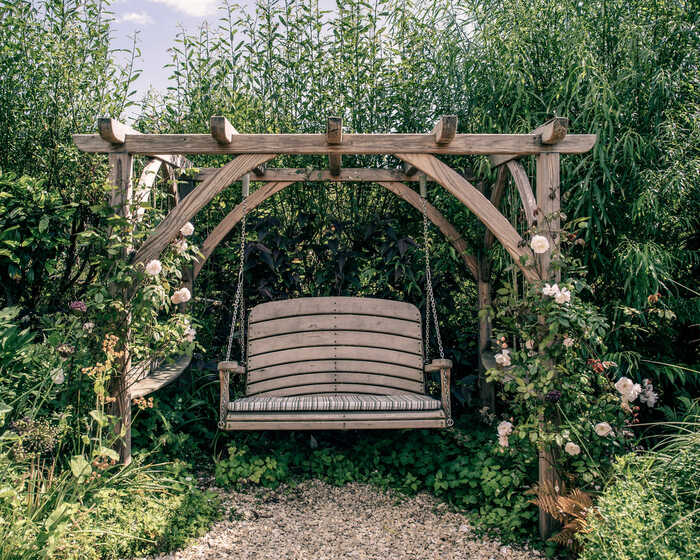
What is oak wood
Oak is one of the most widely used hardwoods in furniture-making, with a history in British craftsmanship stretching back centuries. However, not all oak is created equal – and the type of timber makes a real difference to how it performs outdoors.
American red oak behaves quite differently from European oak. And within European oak, quality varies enormously depending on how the timber is grown, dried, and selected.
Prime European oak
Slow-grown, air-dried, FSC-certified, and free from sapwood. This is joinery-quality timber – the kind used in heritage buildings, traditional boat construction, and handcrafted garden furniture.
Standard construction oak
Often kiln-dried quickly, may contain sapwood, and is more prone to movement and decay outdoors.
The distinction is important. A swing seat made from prime European oak with marine-grade stainless fixings will outlast a cheaper oak piece by decades.
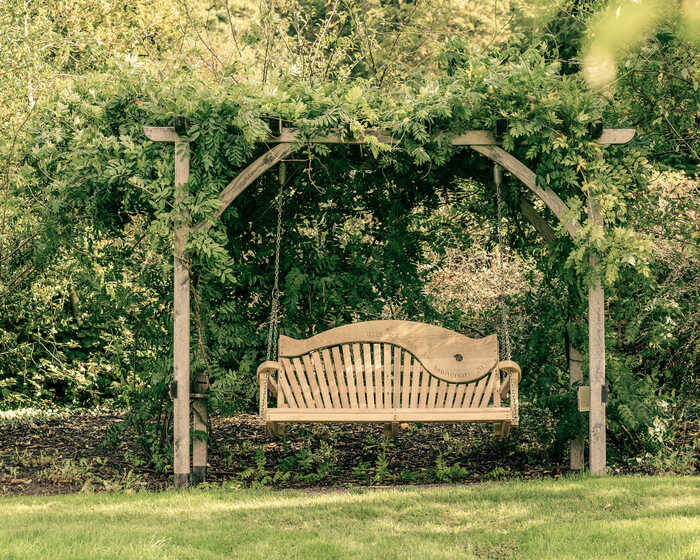
Teak vs oak appearance and weathering outdoors
Both woods develop character as they age outdoors, though they do so in different ways.
Teak starts with a warm, honey-gold colour. Over time – usually a year or two – it silvers to a soft grey patina. The grain is relatively tight and uniform, so the weathered look is quite even across the surface.
Oak shows a more prominent open grain with distinctive "rays" that catch the light. Fresh oak has lighter, more varied tones that mellow to soft grey over years of outdoor exposure. The grain remains visible even after weathering, giving oak furniture a textured, characterful appearance.
Which looks better? That's genuinely a matter of taste. Walk through RHS Wisley or Rosemoor and you'll see oak furniture that's been sitting outdoors for years – still structurally sound, with a weathered character that feels entirely at home in a British garden.
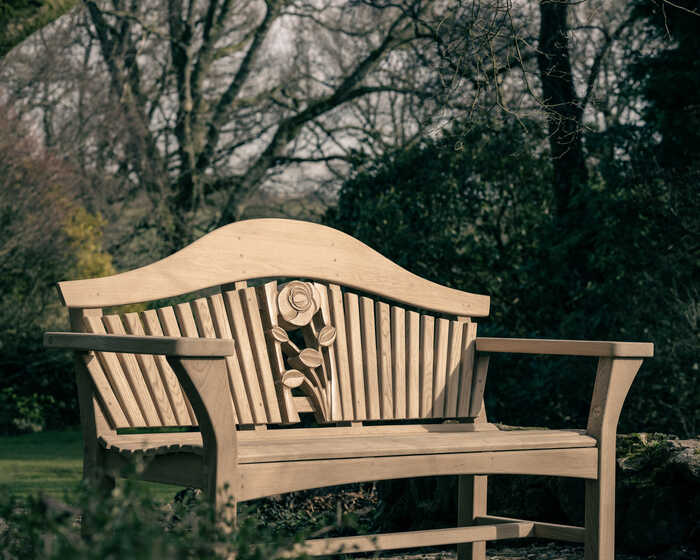
Teak vs oak durability and strength
Teak's durability comes from its natural oils. The wood resists moisture, rot, and insects without any treatment – it's genuinely exceptional in this regard.
Oak takes a different approach. It's an incredibly strong, dense timber, which is why it's been used in structural applications for centuries. Cathedrals, ships, and timber-framed buildings all rely on oak's ability to bear weight and resist movement over time.
However, oak's outdoor performance depends heavily on how the furniture is made.
Teak
Natural oil content provides built-in protection against decay and weather damage.
Oak
Exceptional structural strength and stability when properly seasoned and constructed with marine-grade stainless fixings.
The engineering factor
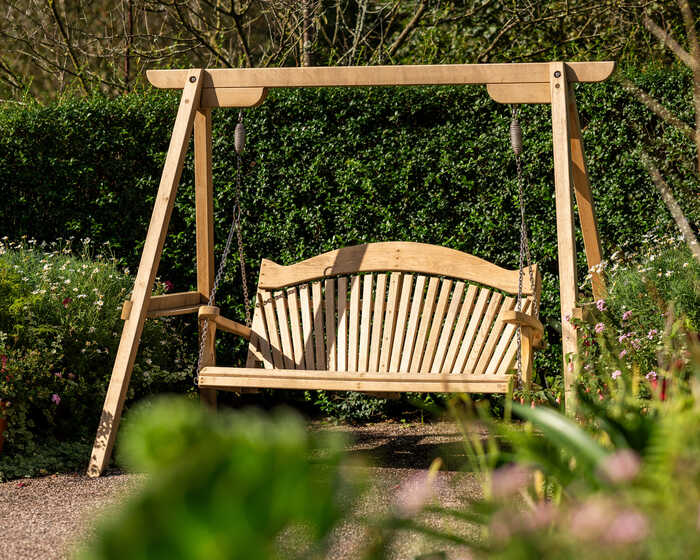
A well-made oak swing seat with oversized internal frames and quality hardware will outlast a poorly constructed teak piece every time.
Cheap fixings, green (unseasoned) timber, and poor joinery will undermine any wood's longevity. The quality of construction matters as much as the species.
Teak vs oak maintenance and care
Teak is famously low-maintenance. You can leave it outside year-round, and the natural oils will continue protecting the wood as it weathers. If you prefer to maintain the original honey colour, occasional applications of teak oil will do the job – but it's entirely optional.
Oak asks a bit more of you, though not dramatically so. Seasonal cleaning and anannual treatment (depending on the finish) will keep oak furniture looking its best.
Tip: If you're considering oak garden furniture, ask about the fixings. Stainless steel marine-grade hardware prevents the rust staining and structural weakness that cheaper fixings cause over time.
The key is starting with properly seasoned timber. Green oak – freshly cut and not yet dried – will move, twist, and crack as it dries out. Air-dried oak, on the other hand, has already done most of its moving before it's made into furniture.
Both woods can live outside permanently in British conditions. Teak tolerates neglect more gracefully, while oak rewards a little seasonal attention.
Teak vs oak price and long-term value
Teak commands premium prices – often significantly higher than oak. This reflects its scarcity, slow growth rate, and the costs of sustainable sourcing from tropical regions.
Oak, particularly FSC-certified European oak, offers excellent value. You're getting a timber with comparable longevity and structural strength at a more accessible price point.
Teak cost
Expect to pay a premium, sometimes 50% or more above equivalent oak pieces.
Oak cost
More affordable upfront, with comparable lifespan when well-made.
Refurbishment potential
Quality oak furniture can berestored and refinished decades later, extending its life even further.
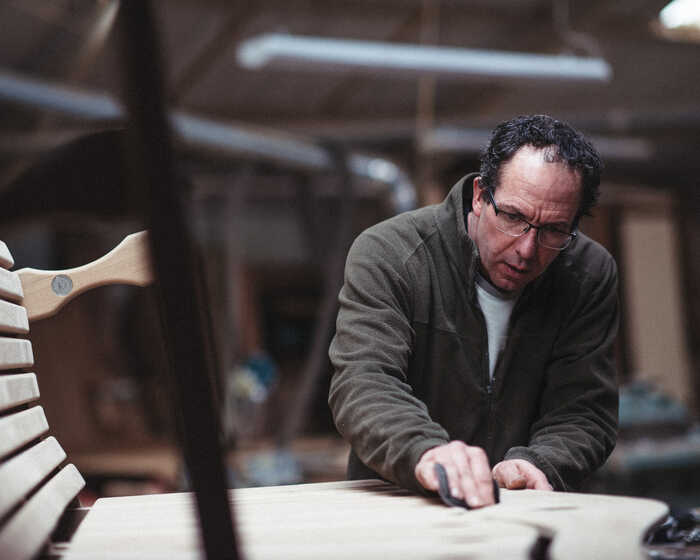
Here's the thing, though: the furniture matters as much as the timber. A beautifully crafted oak bench from a specialist maker will outlast and outperform a mass-produced teak piece with inferior construction. Price per species doesn't tell the whole story.
Teak or oak for different garden furniture
The best choice often depends on what you're buying. Different furniture types have different demands.
Garden benches
Both woods work beautifully for benches. Oak's structural strength makes it ideal for larger pieces, and its distinctive grain adds character that suits traditional British gardens. Teak's weather resistance means less maintenance, though a well-made oak bench will last just as long with modest care.
For memorial benches or pieces with hand-carved inscriptions, oak's grain provides a lovely backdrop for detailed work.
Swing seats and day beds
Dynamic furniture – anything that swings – requires serious engineering. The frame has to handle repeated movement and the weight of multiple people over many years.
Oak's strength makes it particularly well-suited to swing seats. Oversized internal frames, marine-grade stainless fixings, and properly seasoned timber create furniture that performs reliably for decades. You'll find oak swing seats in RHS gardens across the country, chosen precisely because they combine durability with the character these settings demand.
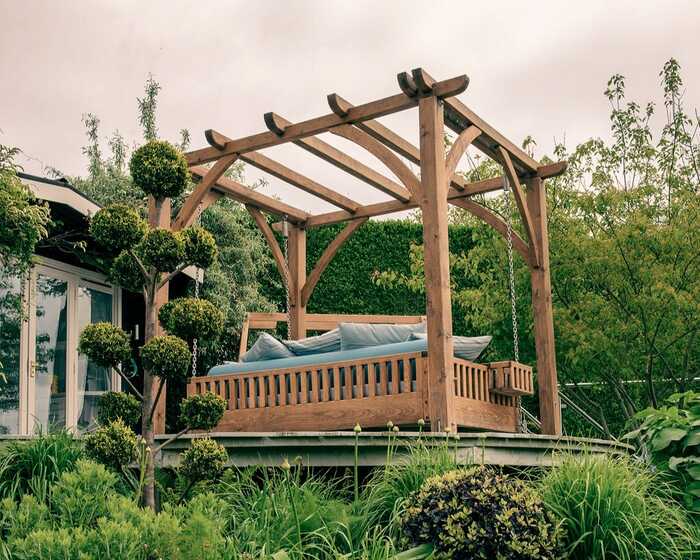
Teak swing seats exist, of course, but oak's structural properties and lower cost make it the more common choice for this type of furniture. The same engineering principles apply to swinging day beds, where the frame must support both weight and gentle movement over many years.
Pergolas and rope swings
Structural applications favour oak's workability and strength. Large-scale pergolas, bespoke garden structures, and rope swing frames all benefit from oak's ability to be precisely jointed and its resistance to twisting over time.
Teak is rarely used for pergolas – partly due to cost, partly because oak simply does the job exceptionally well. A well-built oak pergola, pre-assembled in the workshop and fitted with marine-grade fixings, will stand for generations.
Modern alternatives to teak wood vs oak
If you're weighing uptimber options, two alternatives deserve consideration alongside teak and oak.
Accoya
Accoya is acetylated softwood – a modified timber with exceptional stability and durability. The acetylation process changes the wood's cell structure, making it highly resistant to rot and decay.
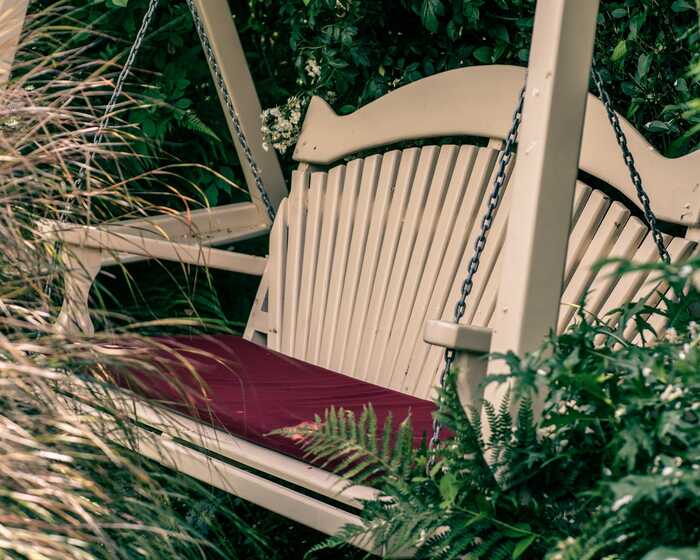
Accoya offers teak-like weather resistance with excellent paint-holding properties, making it ideal for painted garden furniture. Many makers offer extended guarantees of 25 years or more on Accoya pieces. It's become increasingly popular for swing seats and benches where customers want a painted finish that won't peel or flake.
Western Red Cedar
Western Red Cedar is naturally weather-resistant with a distinctive aromatic quality – you'll notice the scent when the wood is freshly cut. It's lighter than oak, which suits certain furniture styles, and weathers to an attractive silver-grey.
Cedar is particularly popular for garden structures, lighter seating, and anywhere weight is a consideration. It's softer than oak, so it's less suited to heavy structural applications, but for the right piece it's a lovely timber to work with.
Teak or oak: the verdict for British gardens
So which wins? The honest answer is that both can be excellent choices – it depends on your priorities.
Teak offers unmatched natural weather resistance and minimal maintenance. If you want furniture you can genuinely forget about, teak delivers.
Oak offers comparable longevity at a more accessible price, with a character and grain that many gardeners prefer. When properly engineered with marine-grade fixings and quality construction, oak furniture performs beautifully in British gardens for decades.
The furniture matters as much as the timber. A handcrafted oak swing seat, built by specialists who understand outdoor furniture, will serve you better than a mass-produced teak piece with inferior construction.
Choosing between teak and oak? We'd love to hear what matters most for your garden – chat to us live using the icon in the bottom-right to discuss your options.
Frequently asked questions about teak vs oak
Does teak look similar to oak?
No – they have quite distinct appearances. Teak has a tighter grain and honey-gold colour that silvers with age, while oak shows a more prominent open grain with visible rays and lighter, more varied tones.
What are the disadvantages of teak wood?
Teak's main drawbacks are its premium cost and environmental concerns around sourcing. Global demand has created sustainability challenges in some regions, making certified sources important.
Is oak cheaper than teak?
Yes, oak is generally more affordable than teak, making it an accessible option for quality garden furniture without compromising on durability or character.
Does oak turn grey outdoors like teak?
Yes, oak develops a soft silvery-grey patina when left untreated outdoors. The distinctive grain pattern remains visible and adds to its weathered character.
Is FSC-certified oak more sustainable than teak?
FSC-certified European oak is often considered a more sustainable choice. It's sourced closer to the UK with established forestry management and lower transportation impact than imported teak.
Posted by Sitting Spiritually on July 28th 2026
 Updating page...